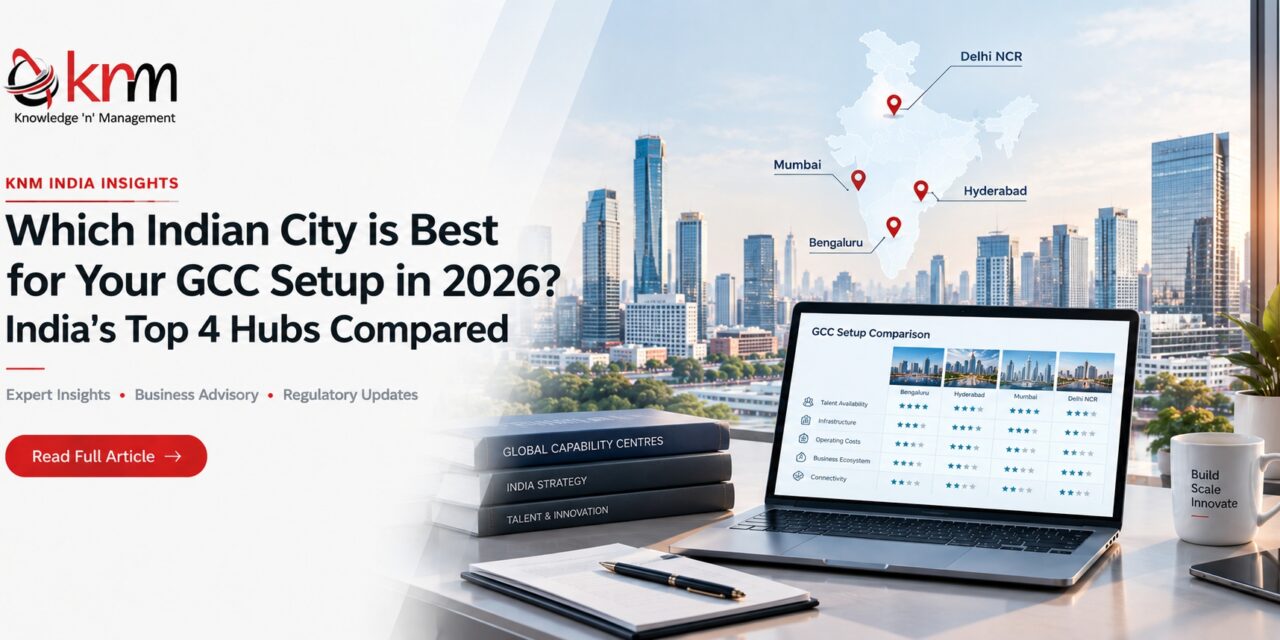
Which Indian City is Best for Your GCC Setup in 2026? India’s Top 4 Hubs Compared

There is no single best city for a GCC in India; the right choice depends on your technical mandate, cost sensitivity, and attrition tolerance. Bangalore wins on deep-tech and AI talent density but carries the highest cost and attrition. Hyderabad delivers near-Bangalore talent quality at a 15–20% cost discount with better-planned infrastructure. Pune offers the...
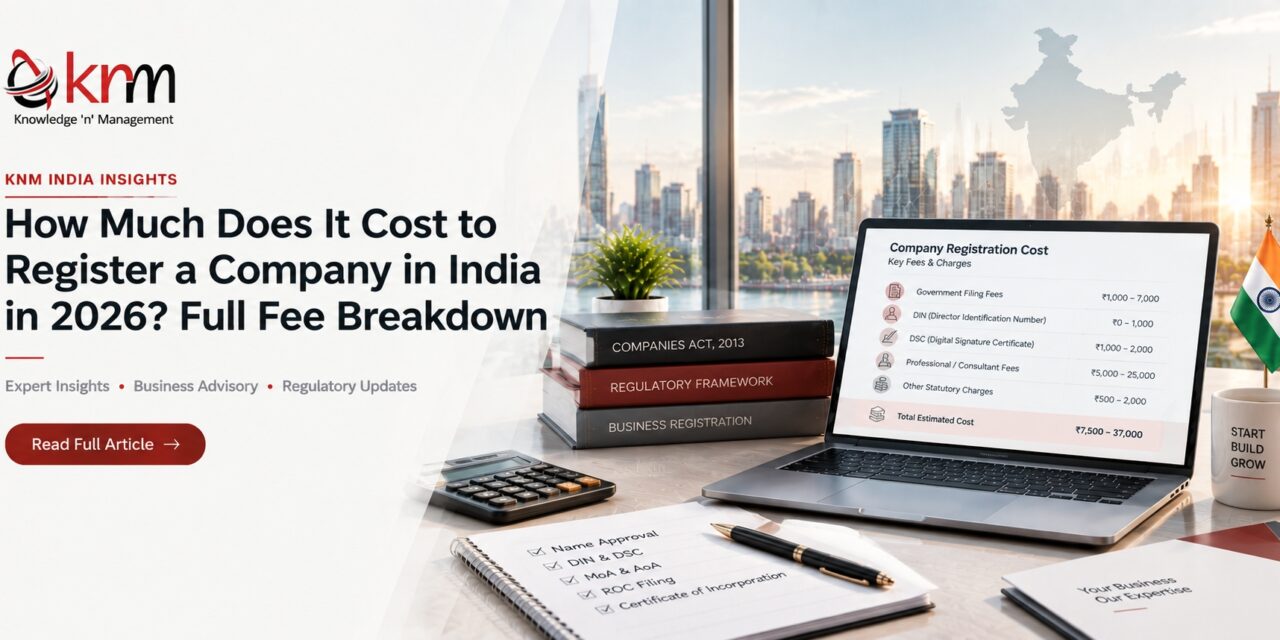
How Much Does It Cost to Register a Company in India in 2026? Full Fee Breakdown

Registering a Private Limited Company in India in 2026 typically costs between ₹7,000 and ₹25,000 all-inclusive for a standard two-director startup with authorized capital under ₹15 lakh, and the single biggest cost lever most guides get wrong is the MCA’s SPICe+ filing fee, which is genuinely ₹0 (not ₹5,000–10,000, as several competing sources state) for...

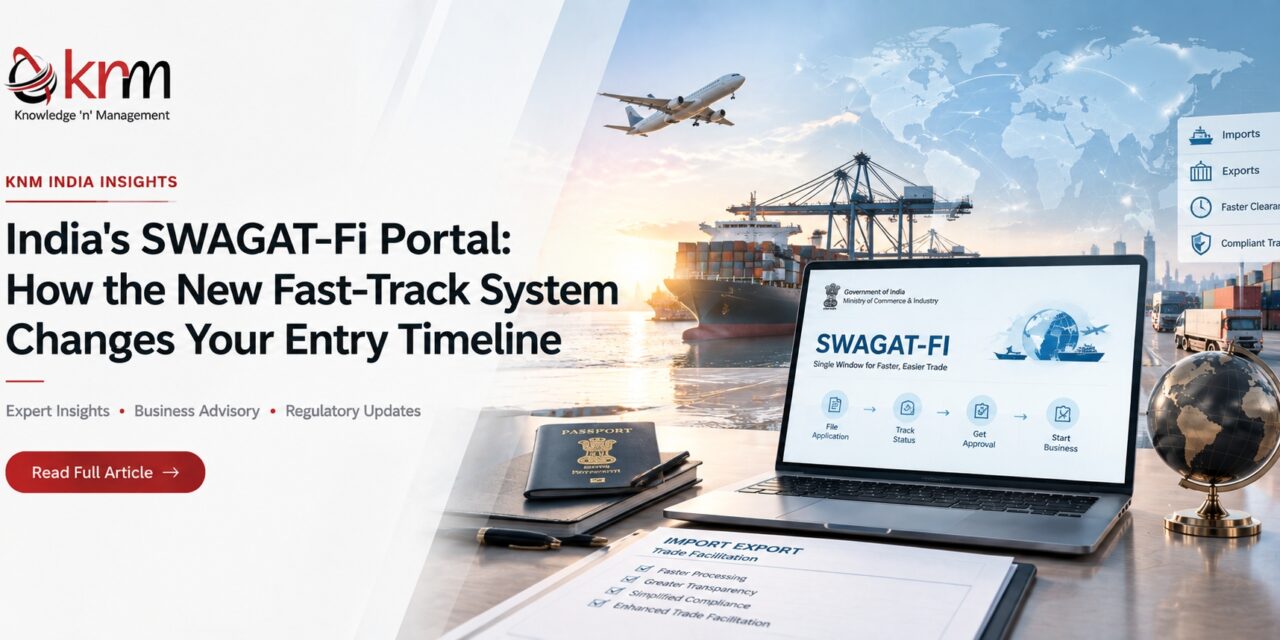
India’s SWAGAT-FI Portal: How the New Fast-Track System Changes Your Entry Timeline

SEBI’s SWAGAT-FI portal, effective June 1, 2026, fast-tracks registration for foreign portfolio and venture capital investors (FPIs/FVCIs) cutting onboarding from several months to 7–10 days and extending registration validity from 3–5 years to 10 years. It does not fast-track company incorporation or FDI-linked business setup for operating companies; that remains a separate process with its...

India Business Expansion Risk Map: What to Review Before Signing Overseas Contracts

Most cross-border risk for Indian service companies doesn’t come from the client relationship itself, it comes from what wasn’t reviewed before the contract was signed. As more Indian firms take on overseas clients, the gaps that surface later are rarely dramatic; they’re small, unassigned pieces of ownership, a governing law clause nobody flagged, an invoicing...

India Entry Strategy for Fintech, SaaS, and Digital Companies: What the Rules Actually Say in 2026

Foreign fintech, SaaS, and digital companies entering India need to evaluate the right entity structure, FDI regulations, RBI requirements, FEMA compliance, taxation, and ongoing regulatory obligations. For most companies planning long-term operations, a Wholly Owned Subsidiary (WOS) is the preferred structure, while fintech businesses may require additional RBI approvals depending on their activities. In January...

KNM Management Advisory Services Pvt. Ltd.Corporate Office
Connect with us
https://knmindia.com/wp-content/uploads/2021/02/knm-world.png
Connect With UsKNM Social Links
Get Connected
KNM Management Advisory Services Pvt. Ltd.Corporate Office
Connect with us
OUR LOCATIONSWhere to find us?
CONNECT WITH USKNM Social Links
Get Connected

Copyright by KNM Management Advisory Services Pvt. Ltd All rights reserved.